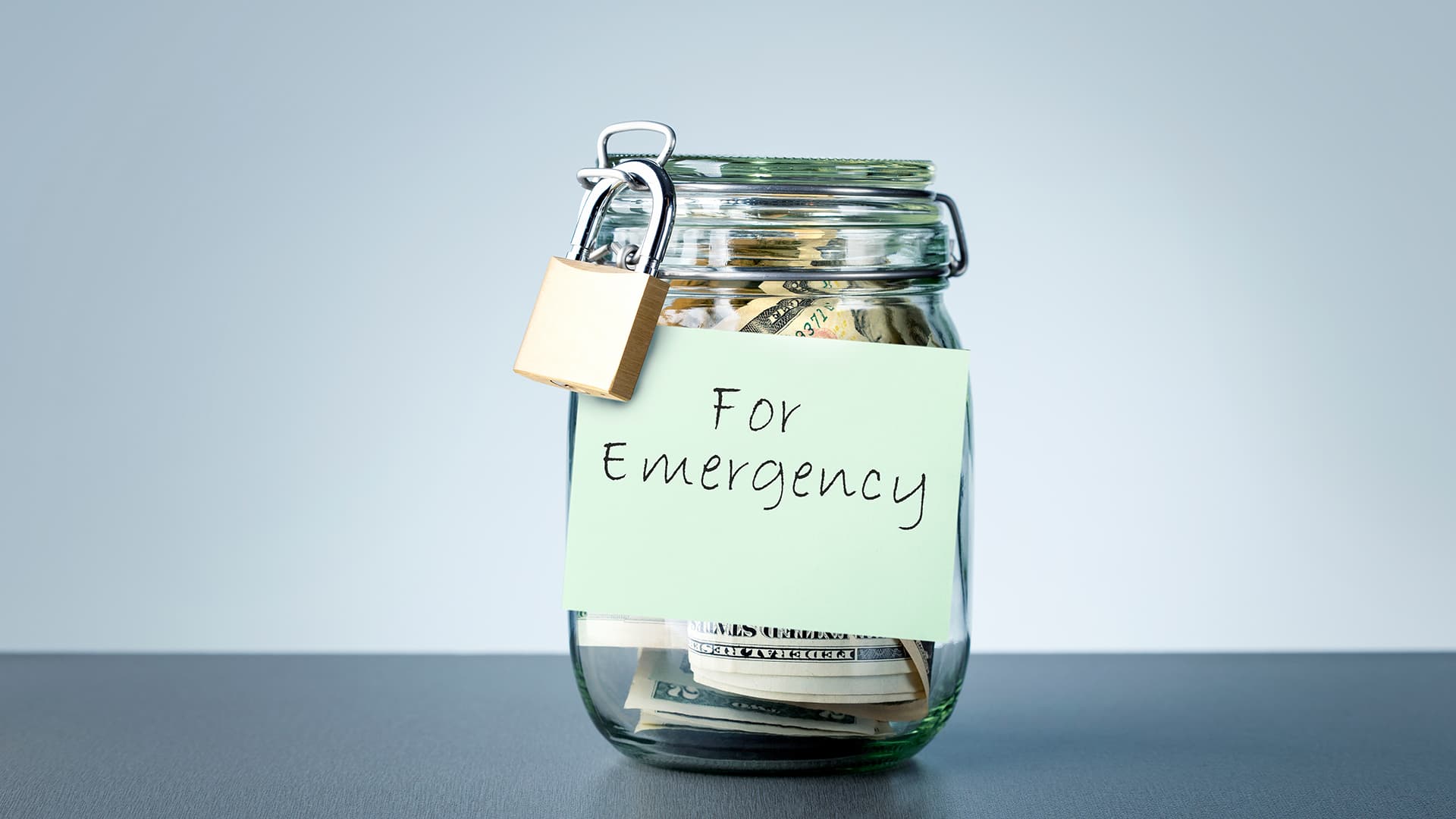
Where 'three to six months' actually comes from
The three-to-six-months-of-expenses guideline exists to cover the most common emergency: losing your income while still needing to pay for housing, food, and other essentials. It's loosely based on how long the average job search tends to take, combined with a margin for the unexpected. It's a reasonable starting range, but it's not a rule etched in stone, and treating it as a precise target can either leave you underprepared or have you hoarding cash that would do more for you invested.
What actually moves the number up or down
A few factors should push your target above six months: income that depends on a single client or commission structure, being the sole earner in your household, working in an industry prone to layoffs, or having dependents who rely entirely on your income. Someone in commission-based sales with volatile monthly income might reasonably target eight to twelve months, while a tenured government employee with a working spouse might comfortably sit at three.
On the other side, a few factors can justify leaning toward three months or even less: a stable dual-income household where either income alone could cover essentials, strong unemployment benefits in your region, or a very low fixed cost of living with few obligations. The number should reflect your actual risk, not a number you read somewhere without adjusting it to your situation.
Calculate expenses, not income
A common mistake is basing the fund on income rather than expenses. If you lose your job, you still need to cover rent, groceries, insurance, and minimum debt payments, not your full prior paycheck. Add up your essential monthly costs, the ones that don't stop in an emergency, housing, utilities, groceries, insurance premiums, minimum debt payments, and multiply by your target number of months. Leave out anything genuinely discretionary, since in a real emergency those are usually the first things cut.
As a worked example, if essential monthly expenses come to $3,200, a four-month target means a $12,800 fund, not a calculation based on a $5,500 paycheck. For a side-by-side with your actual spending, the Emergency Fund Calculator walks through this math with your own numbers.
Building it in stages rather than all at once
A full emergency fund can feel like an unreachable number if you try to hit it in one leap. Breaking it into stages makes it more achievable: first, a starter buffer of $1,000 to $2,000 to absorb small surprises without new debt; second, one full month of essential expenses; third, the full target based on your personal risk factors. Each stage is a real milestone worth noticing, rather than the whole goal feeling distant until it's fully funded.
Where to keep it, and how to build it
An emergency fund only works if it's accessible without penalty, which usually means a high-yield savings account rather than investments that can lose value right when you need to withdraw it. A certificate of deposit or a brokerage account tied to the market isn't the right home for this money, even if the returns look more attractive, because the whole point is that it's there exactly when you need it, not when the market happens to be up.
Build it the same way you'd build any savings goal: an automatic transfer on payday, sized smaller at first and increased as other priorities, like high-interest debt, get paid down. For more on how this fund fits into your broader plan, see What Is an Emergency Fund? or back up a step with How Much Should You Save Each Month?
When it's okay to use it, and how to refill it
An emergency fund that never gets touched because you're afraid to "break" it isn't doing its job. Job loss, a necessary medical expense, an urgent home or car repair that threatens your ability to work or live safely, these are exactly what the fund is for. The discipline isn't in avoiding it, it's in refilling it afterward with the same automated approach used to build it the first time, treating the refill as a temporary top priority until the buffer is back to its target.